


Your customers interact with your business through mobile channels more than ever before. Whether they are booking your services, buying your products, or seeking support, they expect everything to work instantly and flawlessly. Any crash, delay, or confusing screen can drive them straight to a competitor. That’s why mobility testing is not just a technical task — it’s a business safeguard. It ensures your mobile channels perform reliably across different devices, operating systems, networks, and user conditions. In practice, it means fewer abandoned carts, happier customers, and stronger brand loyalty.
Think of it as checking the front door of your digital business: it must open smoothly for everyone, every time. Mobility testing helps make sure that happens.
Understanding Mobility Testing in Simple Terms
For non-technical business leaders, mobility testing may sound complex, but its goal is straightforward: to ensure your mobile experiences work well for everyone, everywhere.
Imagine your mobile presence as a storefront. Mobility testing is like sending mystery shoppers from different cities, using different devices, and speaking different languages, to see if the doors open, the lights work, and the shelves are stocked properly. If anything fails, you can fix it before real customers walk in.
Mobility testing generally includes several areas:
- Functional Testing – Ensures that features work as intended: buttons respond, payments process, and forms submit correctly.
- Performance Testing – Measures how fast and stable your mobile services are, even under heavy user traffic or slow internet.
- Compatibility Testing – Checks how your mobile channels behave across different devices, screen sizes, and operating systems.
- Usability Testing – Evaluates how intuitive and user-friendly your business’s mobile experience is.
- Security Testing – Protects customer data and safeguards your business from breaches or cyberattacks.
Each of these areas directly influences how customers perceive and trust your business.
The Business Value of Mobility Testing
Many business owners view mobility testing as just another IT cost, but it is actually a strategic growth tool. It ensures your mobile experience performs consistently across devices, networks, and operating systems. By doing so, it protects your brand, reduces risks, and turns your mobile presence into a powerful business advantage.
1. Protects Your Brand Reputation
Customer trust is fragile. A single app crash during checkout can spark negative reviews and social media backlash overnight. One fashion retailer saw sales drop 30% after a payment glitch went viral. Mobility testing prevents such failures by catching issues early, preserving your reputation, and keeping public trust intact before damage is done.
2. Drives Customer Loyalty and Retention
People return to brands that feel reliable. Smooth, consistent mobile interactions build that reliability. When your app loads quickly, handles orders accurately, and stays stable, customers feel confident using it again. Mobility testing helps deliver that dependable experience, turning one-time users into long-term loyal customers who choose you over competitors.
3. Reduces Long-Term Operational Costs
Fixing issues after launch is expensive and disruptive. Emergency repairs, rushed updates, and increased support calls drain resources. Mobility testing detects problems early, before they reach real users. This proactive approach saves time and money, reduces stress on your team, and keeps your operations focused on growth rather than constant damage control.
4. Expands Your Market Reach
Customers use a wide range of devices and networks, from old phones on slow 3G to the latest models on 5G. Mobility testing ensures everyone gets a smooth experience. This reliability allows you to confidently expand into new markets and reach more customers without risking inconsistent performance or poor first impressions.
5. Creates a Competitive Advantage
In crowded markets, performance becomes a clear differentiator. While competitors struggle with crashes and glitches, your reliable mobile experience stands out. Mobility testing helps you deliver that consistency, making your business the trusted choice customers prefer—and giving you an edge that strengthens your position and drives long-term growth.
Key Challenges Businesses Face in Mobility Testing
While the benefits are clear, mobility testing is not without challenges. Understanding these challenges can help your business plan better:
- Device Fragmentation: There are thousands of device models and screen sizes. Testing them all is unrealistic, but ignoring them risks alienating parts of your audience.
- Operating System Variations: iOS and Android update frequently, and not all users update at the same time. Your business must ensure compatibility with both the latest and older versions.
- Network Diversity: Your customers will use different networks with varying speeds and stability. Poor connections can break even a well-designed app if not tested properly.
- User Behavior Differences: Real users behave unpredictably. They might tap quickly, use accessibility settings, or multitask between apps. Your mobile experience must handle this gracefully.
- Pressure for Speedy Releases: Business demands often push teams to release new features quickly, leaving little time for comprehensive testing. This can compromise quality.
Recognizing these challenges allows your business to design a smarter, more resilient testing approach.
Best Practices for Effective Mobility Testing
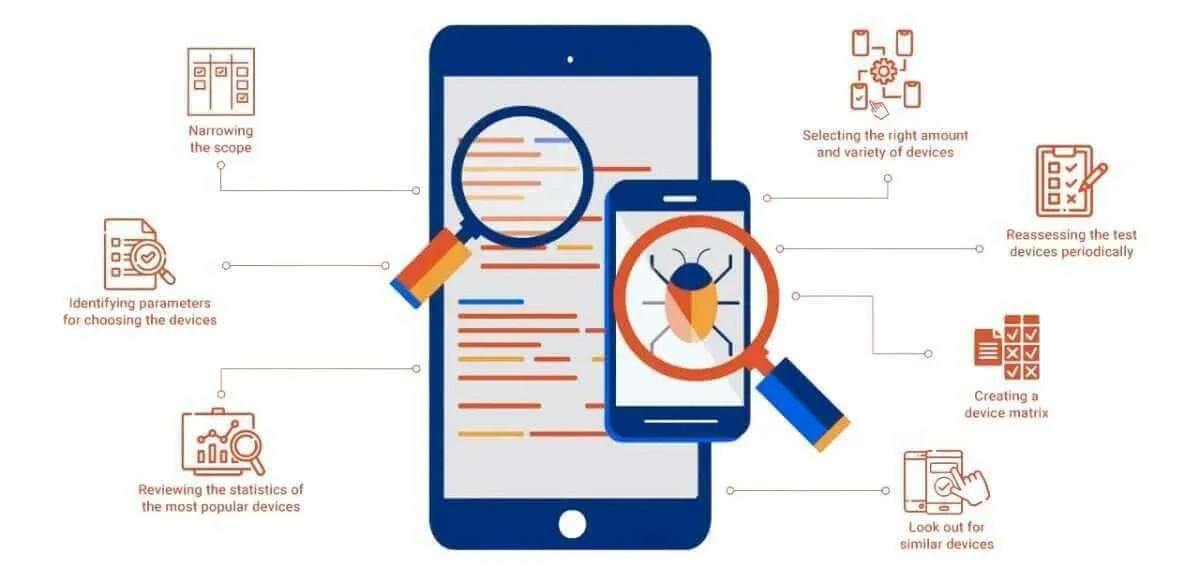
Mobility testing is crucial for protecting your brand and ensuring customer satisfaction. Skipping or rushing this step often leads to bugs, crashes, and public complaints. A well-known food delivery app once skipped device testing to save time; within hours of launch, it crashed on older phones, forcing a rollback and hurting its reputation. Following these best practices can help your business avoid similar damage.
1. Start Testing Early
Integrate testing into your development from the very beginning. Early testing catches design flaws when they are still easy and affordable to fix. It also gives your team space to gather user feedback and adjust before investing heavily. A retail chain once discovered confusing navigation during early prototype testing, which allowed them to redesign quickly and launch on schedule without last-minute stress or expensive fixes.
2. Combine Simulators and Real Devices
Simulators are useful for quick checks, but they cannot replicate real conditions. Real devices show how your app affects battery life, reacts to multitasking, and handles gestures like swipes or pinches. Balancing both methods ensures speed without sacrificing accuracy. Testing on real phones and tablets often uncovers subtle issues that only appear on actual hardware, helping your business deliver a reliable experience for all users.
3. Test Across Various Network Conditions
Your customers use a mix of strong Wi-Fi, 5G, and even weak 3G networks. Testing only on fast networks creates a false sense of security. Simulate different speeds and signal drops to see how your app performs under pressure. If a checkout process breaks on slow connections, you risk losing sales. Preparing for weak networks helps your business serve customers in diverse regions and environments.
4. Prioritize Usability and Accessibility
A feature-rich app can still fail if it confuses users. Test with people of different ages, skill levels, and backgrounds to see how easily they navigate. Include accessibility checks for screen readers, large fonts, or high-contrast themes to welcome customers with disabilities. Usability and accessibility testing not only prevent frustration but also build loyalty by showing your business values every type of customer.
5. Automate Repetitive Tests
Routine tasks like logins, payments, or product searches take time when done manually. Automating these tests speeds up development cycles, reduces human error, and ensures consistent results. This gives your team more time to focus on complex scenarios that require creative thinking. Automation boosts both efficiency and quality, allowing your business to release updates faster while maintaining a high level of reliability.
6. Make Security Testing Non-Negotiable
Security must be built into every stage of mobility testing. Regularly scan for vulnerabilities that could expose customer data or break compliance rules. Even one security breach can trigger costly fines and destroy trust. By prioritizing security testing, your business protects its reputation and avoids legal or financial crises. Strong security reassures customers that their data is safe, which strengthens brand credibility over time.
7. Continue Testing After Launch
Testing does not end once your app goes live. Every update, bug fix, or feature release can introduce new risks. Continuous testing ensures your mobile experience stays stable as your business grows. Treat every change like a mini-launch with full testing. This ongoing effort protects your user experience, reduces support costs, and helps your business stay competitive in a fast-moving digital market.
Building a Mobility Testing Strategy for Your Business
At FIX Partner, we understand that mobility testing can seem overwhelming, especially if your core business isn’t technology. That’s why we work alongside your teams to build a clear, structured strategy that aligns with your business goals and supports your growth.
Here’s how we approach it:
1. Define Clear Business Goals
We begin by connecting mobility testing directly to your business priorities. This could mean improving customer satisfaction, boosting conversions, or reducing churn. By defining these goals early, every test becomes purposeful. Instead of just checking boxes, we design tests that measure outcomes, showing how mobile performance supports growth and directly contributes to your bottom line.
2. Build a Device and OS Priority List
Testing every device is unrealistic, so we analyze your customer data to see which devices and operating systems they actually use. This might include specific Android versions, iPhones, or tablets. Prioritizing high-traffic platforms ensures your efforts focus on what matters most, maximizing reach while avoiding wasted time and costs on rarely used devices that bring little business value.
3. Select the Right Tools and Platforms
We choose testing tools that match your needs, from automation frameworks to real-device cloud labs and network simulators. These tools speed up testing and improve accuracy. Our team manages tool setup, integration, and maintenance, allowing your internal teams to focus on core business tasks while still gaining deep insights into performance, usability, and reliability.
4. Assemble a Cross-Functional Team
We bring together experts from development, QA, UX design, marketing, and customer support. Each role adds a unique perspective on how customers interact with your mobile channels. This collaboration ensures tests cover real-world usage, not just technical requirements, and creates a shared commitment across departments to deliver a smooth and consistent user experience.
5. Plan Realistic User Journeys
We design tests around complete customer paths—browsing, signing up, purchasing, or seeking support. This end-to-end view shows how users experience your brand, not just individual features. It reveals hidden pain points that may block sales or cause frustration, allowing your team to fix them before they impact your reputation or revenue.
6. Monitor and Measure Results
We track performance metrics like crash rates, loading speed, and customer feedback to understand real-world results. These data-driven insights help us recommend improvements, prove ROI, and ensure your leadership sees clear business value in every testing cycle.
7. Continuously Improve and Evolve
Mobility testing doesn’t end at launch. We use user feedback and market trends to refine your mobile experience over time. This continuous cycle keeps your app stable, your customers happy, and your business competitive as technology and expectations keep changing.
Human-Centered Mindset: Seeing Through Your Customers’ Eyes
Mobility testing is ultimately about people, not just technology. Every tap, scroll, and click is part of a customer’s relationship with your business. Adopting a human-centered mindset means:
- Empathizing with different users and their contexts
- Reducing complexity to make actions intuitive
- Designing for inclusivity and accessibility
- Listening to customer feedback and acting on it quickly
When you see your mobile presence through your customers’ eyes, testing becomes a tool to build trust and loyalty, not just find bugs.
Conclusion
Mobility testing goes beyond fixing bugs — it builds trust and makes it easy for customers to engage with your business. A reliable, fast, and intuitive mobile experience keeps users loyal and drives repeat revenue.
Treating mobility testing as a strategic investment, not just an IT cost, protects your reputation, lowers long-term risks, and gives you the confidence to grow into new markets.
In short, it safeguards your digital brand and turns your mobile channels into powerful growth engines.
Contact FIX Partner to build a mobility testing strategy that drives real business results.

